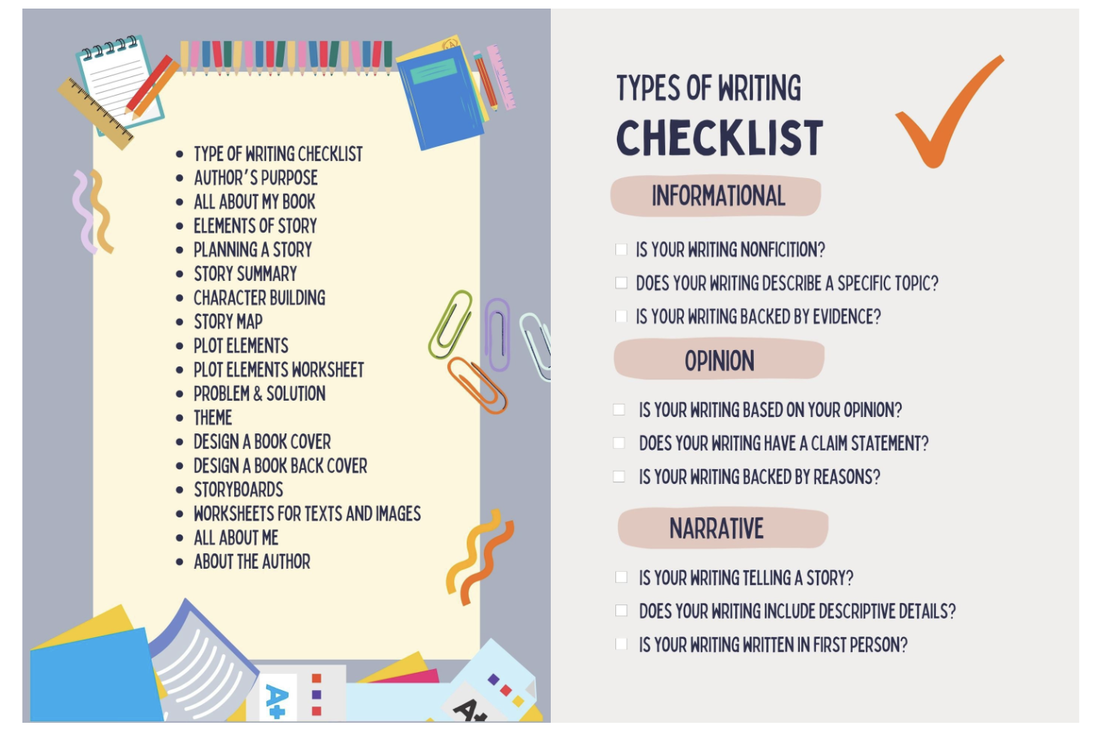
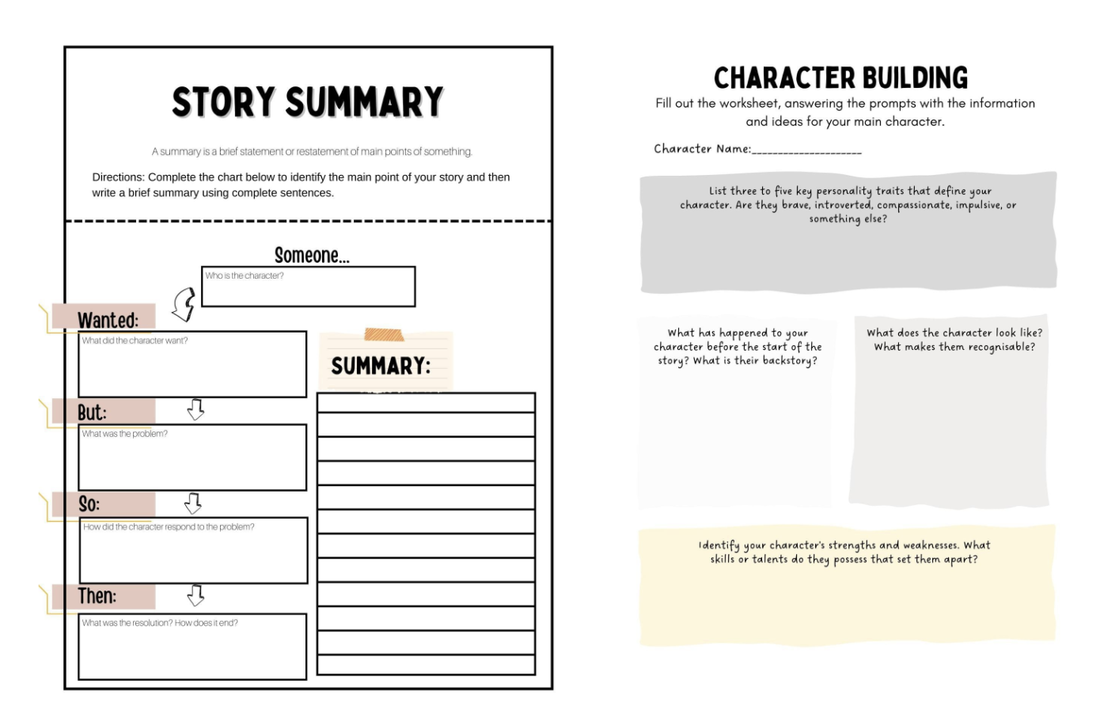
My First Book Making Adventure!: An activity book for making a picture book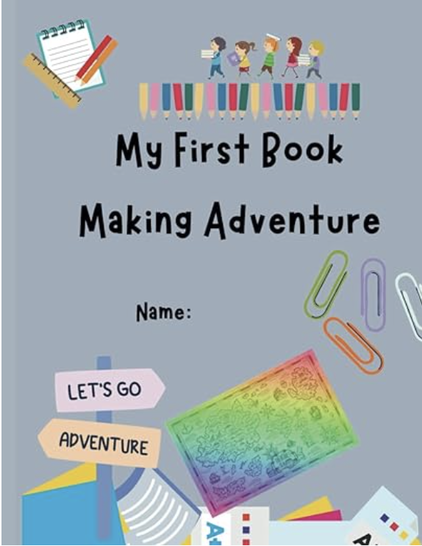 My First Book Making Adventure, produced as one of the low contents books among Amazon KDP publishing, was successfully released. Unlike general picture books, from personal experience, I feel that low contents books take a long time to review. I had to wait a few weeks for this review. And finally, I received a message today saying that Paperback was successfully published. This book was created in an activity book format by gathering the necessary information when I made a picture book making camp with children last year. While teaching picture book making at camp, I discovered that children had difficulty with plotting, establishing characters, and creating stories. And I wish I had an exercise book to teach my students the elements of the story. Above all, storytelling is a crucial element in visualizing any narration. This is important information not only for children but for everyone. It is a compound word of story + telling and literally means to tell a story. In other words, it is the act of persuasively conveying what you want to convey to the other person through an interesting and vivid story. Storytelling techniques to convey key messages use the method of structuring and solving problems through main stories and scenarios. Through storytelling, people can easily picture various situations in their minds. In particular, I hope that through this book, children will be able to easily create their own stories, write books, and gain confidence by finishing with an author page at the end. This activity book consists of the following contents:
0 Comments
Wild fish paintings and essays by talented students.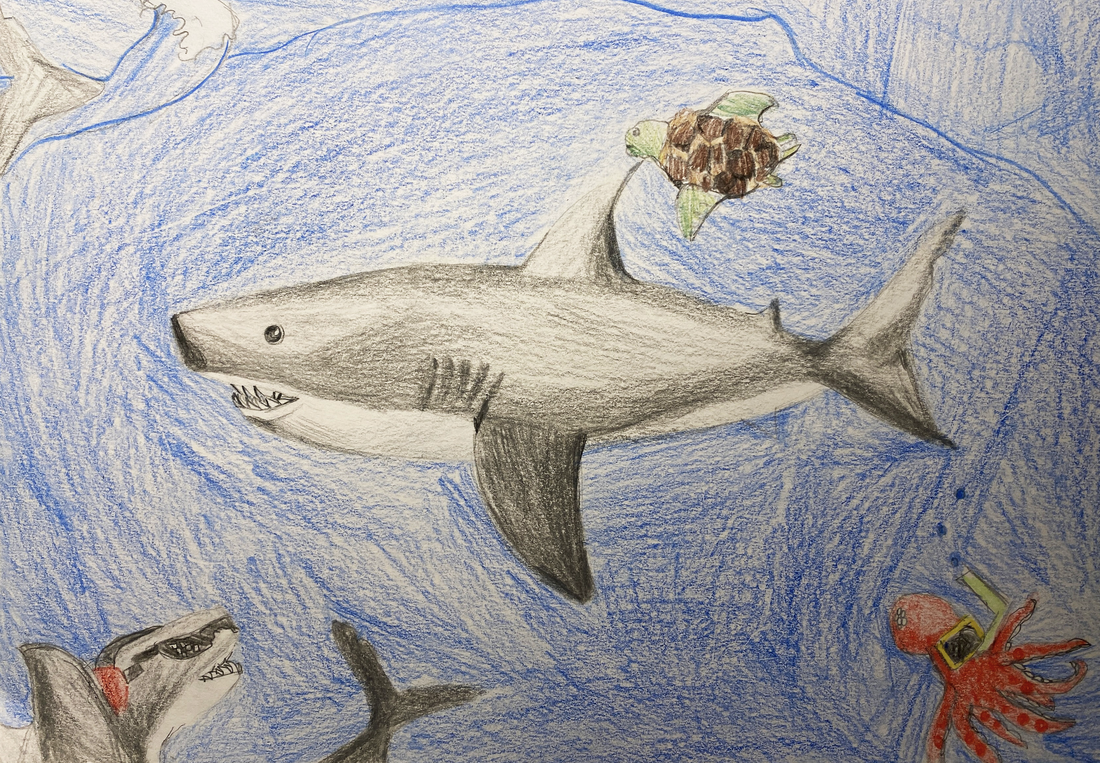 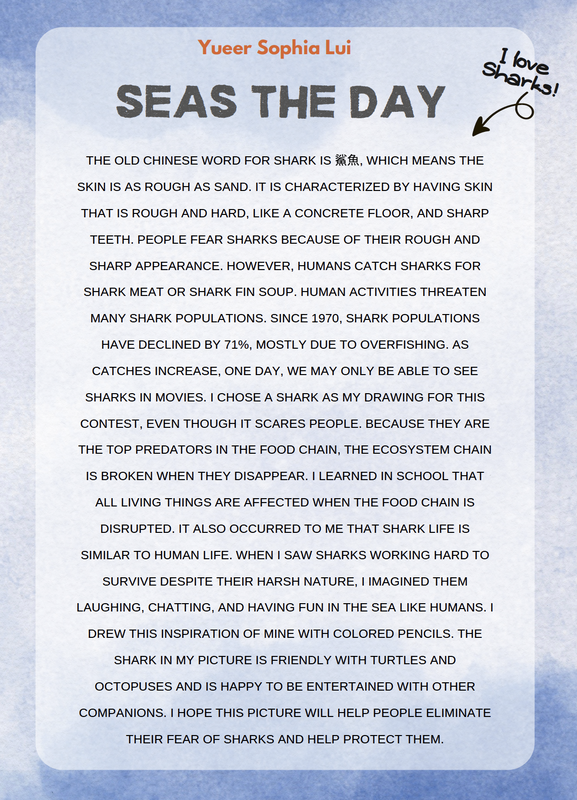 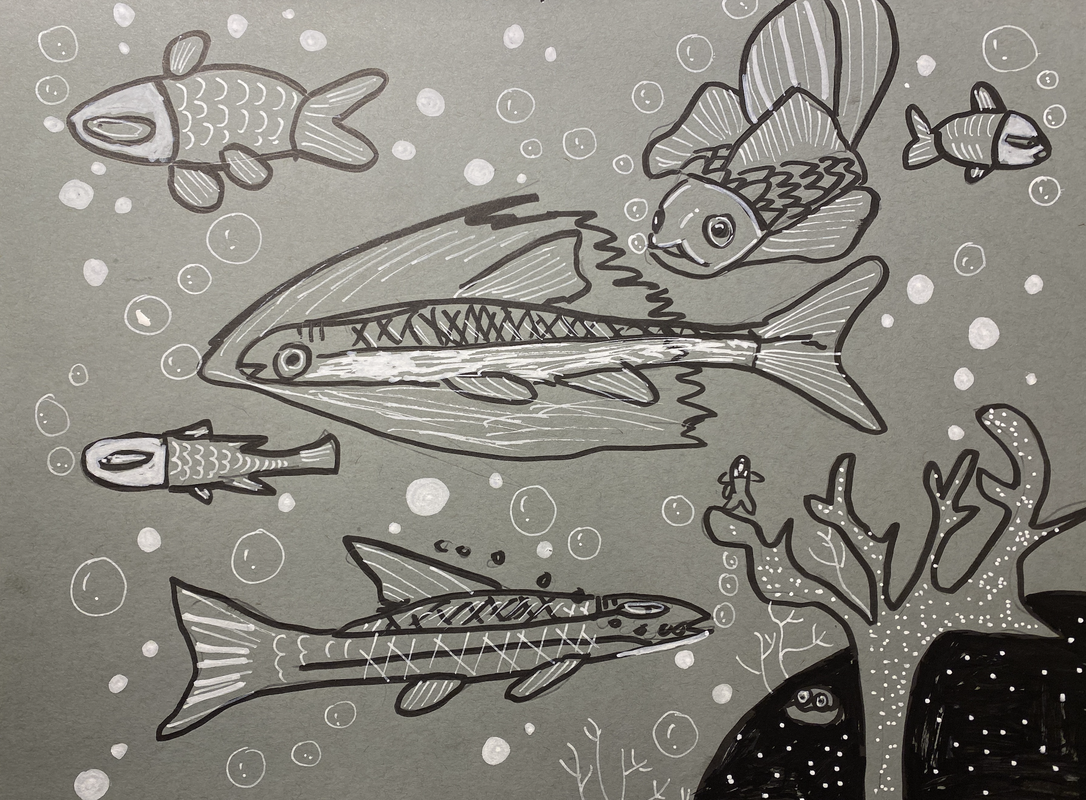 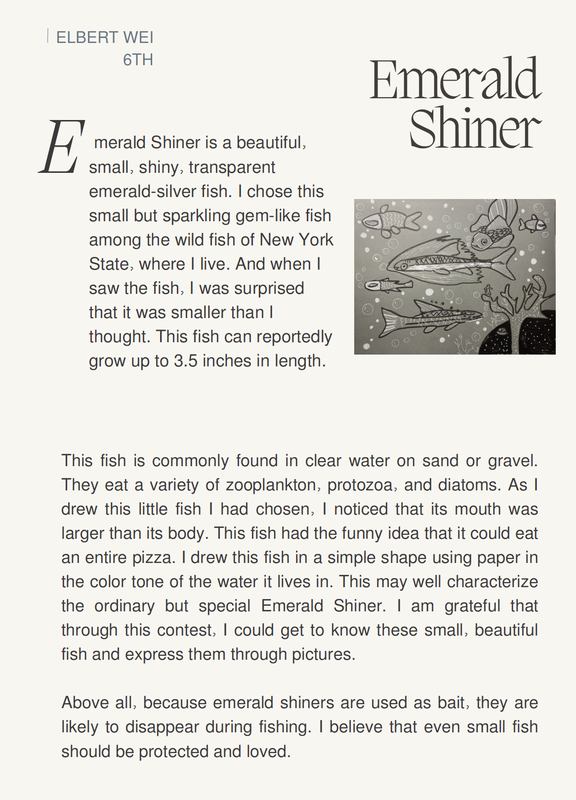 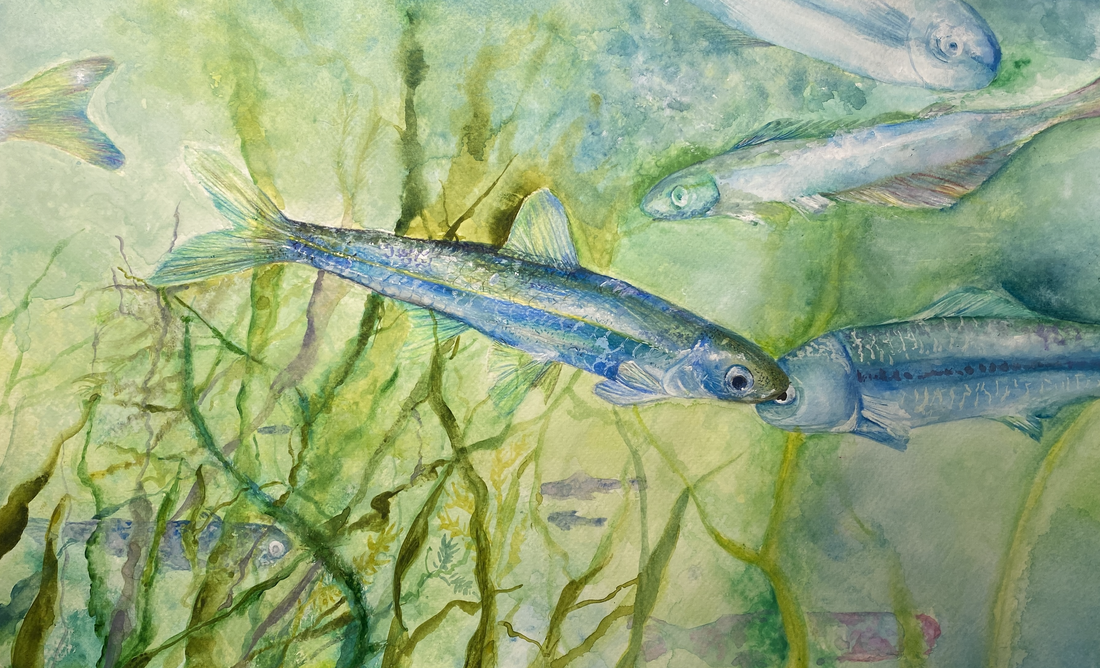 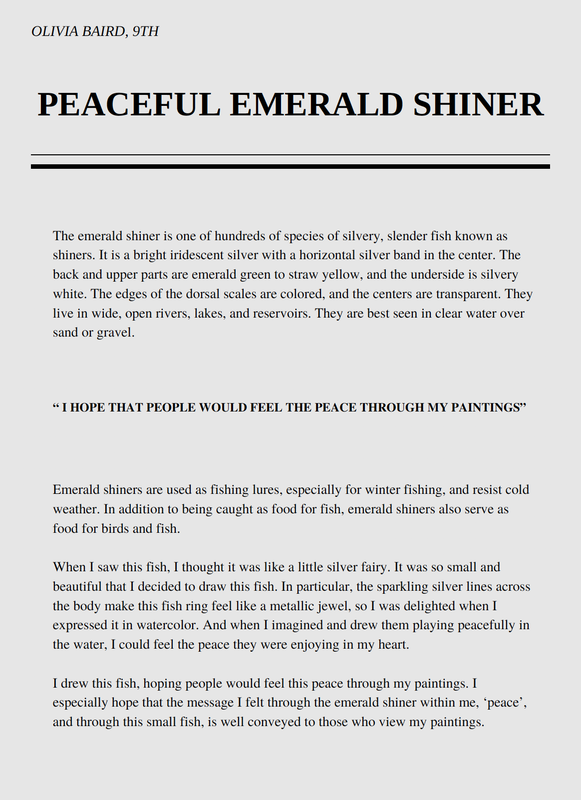 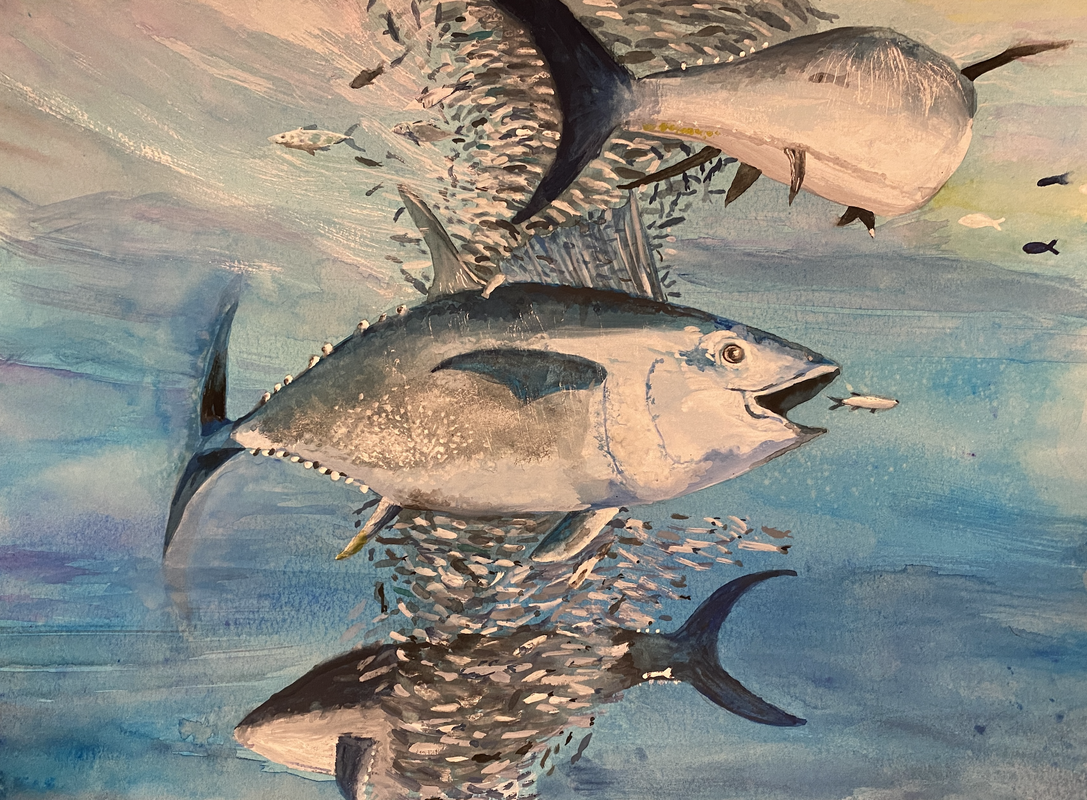 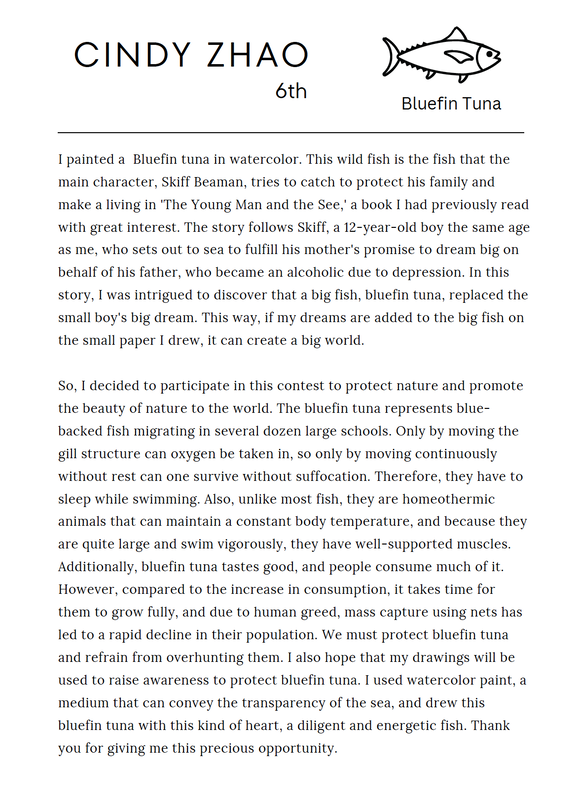 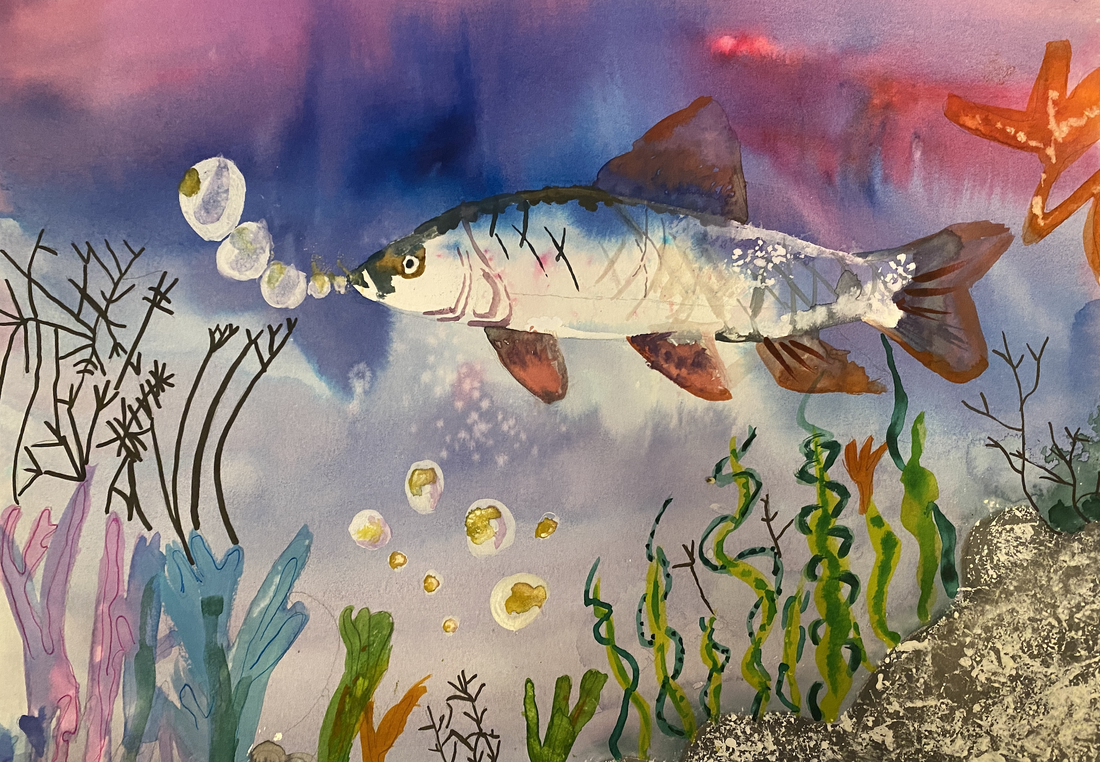 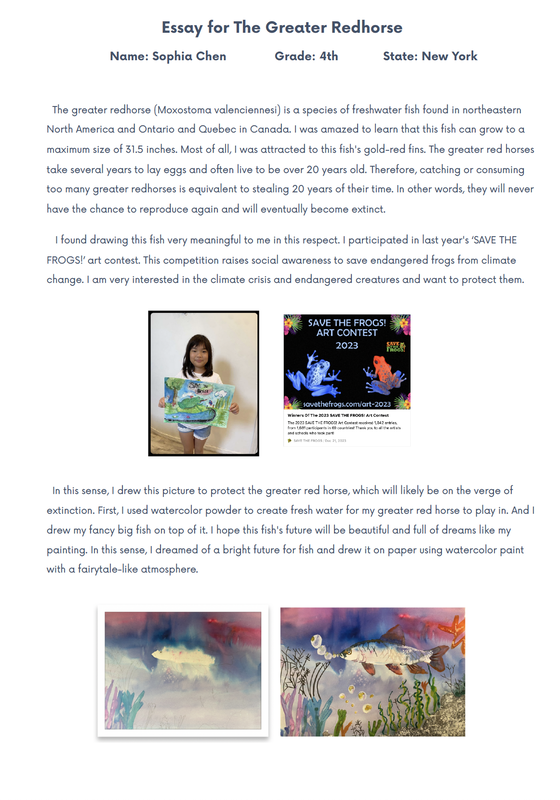 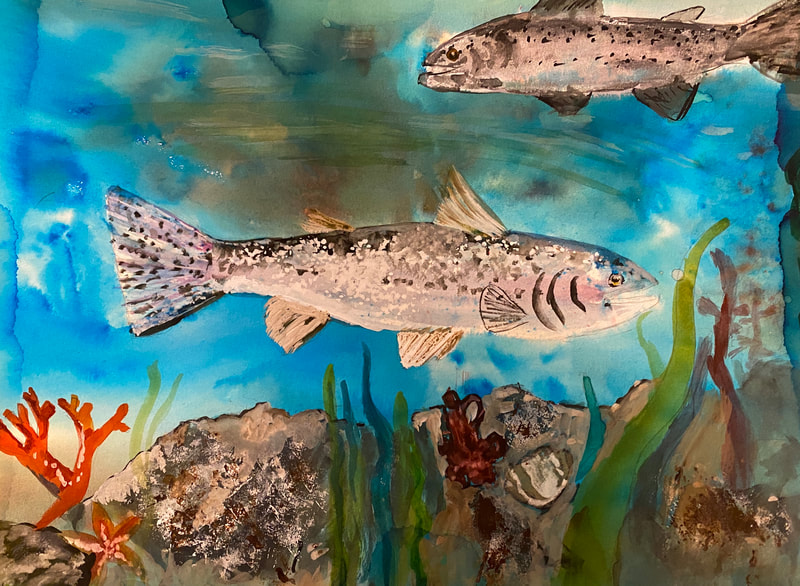  Imaginative DrawingImaginative drawing plays a pivotal role in the holistic development of children, fostering creativity, cognitive skills, emotional intelligence, and even social aptitude. In the formative years of childhood, engaging in imaginative drawing serves as a powerful tool for self-expression and learning, nurturing a plethora of skills that are crucial for a child's overall growth. Firstly, imaginative drawing stimulates creativity in children. Through the exploration of various shapes, colors, and forms, children develop their ability to think outside the box. This creative thinking is not only essential for artistic endeavors but also for problem-solving in everyday life. It encourages children to approach challenges with an open mind and explore innovative solutions, a skill that is invaluable in various academic and real-world scenarios. Moreover, imaginative drawing enhances cognitive skills. As children visualize and bring their ideas to life on paper, they engage in a process that stimulates cognitive functions such as memory, attention to detail, and spatial awareness. This mental exercise contributes to the development of a child's analytical and critical thinking abilities. The act of translating thoughts into visual representations sharpens their minds and lays a foundation for future academic achievements. Additionally, imaginative drawing is a powerful medium for emotional expression. Children often find it challenging to articulate their emotions verbally, but through drawing, they can externalize their feelings. Whether it's joy, sadness, fear, or excitement, the canvas becomes a safe space for them to convey and process their emotions. This emotional intelligence cultivated through art can positively impact a child's mental well-being, aiding in the development of resilience and coping mechanisms. Furthermore, imaginative drawing nurtures fine motor skills and coordination. The intricate movements involved in holding a pencil, making deliberate strokes, and controlling the pressure on paper contribute to the refinement of motor skills. This development is not only crucial for artistic pursuits but also plays a vital role in day-to-day activities, such as writing, typing, and other hands-on tasks. Socially, imaginative drawing can serve as a bridge for communication and collaboration. When children engage in group drawing activities, they learn to share ideas, compromise, and appreciate diverse perspectives. This collaborative aspect of artistic expression lays the groundwork for effective communication and teamwork—a skill set that is essential for success in both academic and professional spheres. In conclusion, imaginative drawing is a cornerstone of childhood development. It cultivates creativity, enhances cognitive skills, fosters emotional intelligence, refines fine motor skills, and promotes social interaction. By encouraging children to express themselves artistically, we not only provide them with a means of communication but also equip them with a diverse skill set that will serve them well throughout their lives. The importance of imaginative drawing extends beyond the realm of art; it is a fundamental building block for well-rounded, resilient, and socially adept individuals. 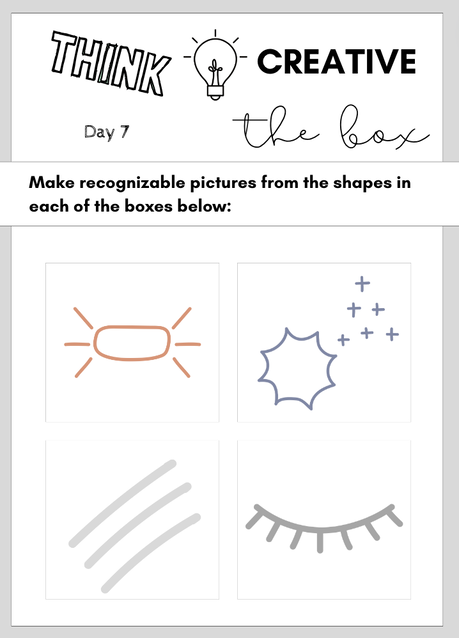 ImageNative Drawing helps kids prepare for the Google Doodle Contest, a representative contest below.  My Art Activity Book for Theory & Fun has been published in Amazon store!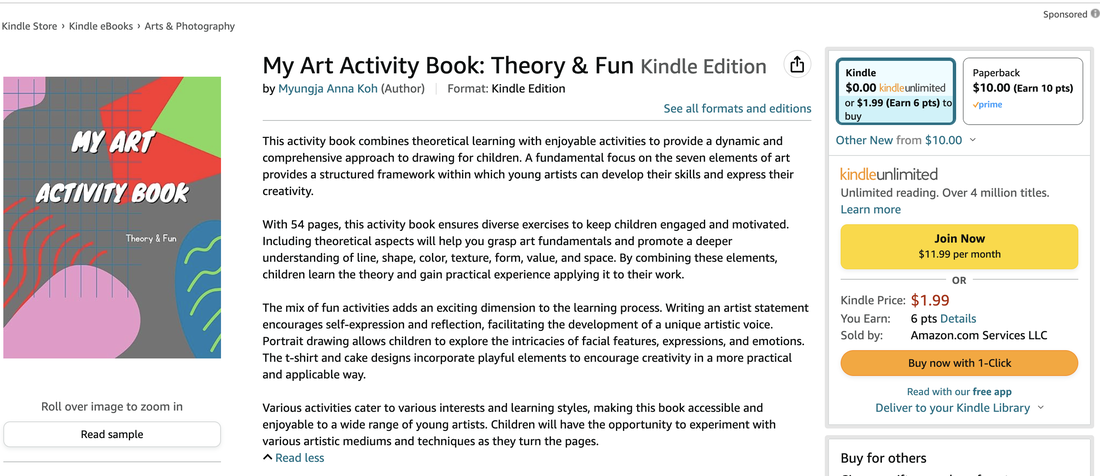 https://www.amazon.com/dp/B0CSPTM1DQ This book is a practice book written in the form of an activity book to help you learn the essential art components and learn them easily. I hope that through this book, children can gain theory and fun at the same time. I created this book in a low content format for Amazon's Kindle Direct service. In the context of Kindle Direct Publishing (KDP), "low content" typically refers to books or products that are light on written content and instead focus on visual elements or minimal text. These products often include things like journals, planners, sketchbooks, coloring books, and other similar items. Here are some examples of low content products on KDP:
Nowadays, anyone can create textbooks using their own ideas and know-how and apply them to their own unique educational field. For this purpose, if you use this low content service, you have the advantage of being able to teach with textbooks you have created. I tried using other textbooks, but there were many parts that did not fit my work environment, so I thought I should create a textbook to apply to more personal, individual, and special cases. And I hope there will be more practice versions like this.
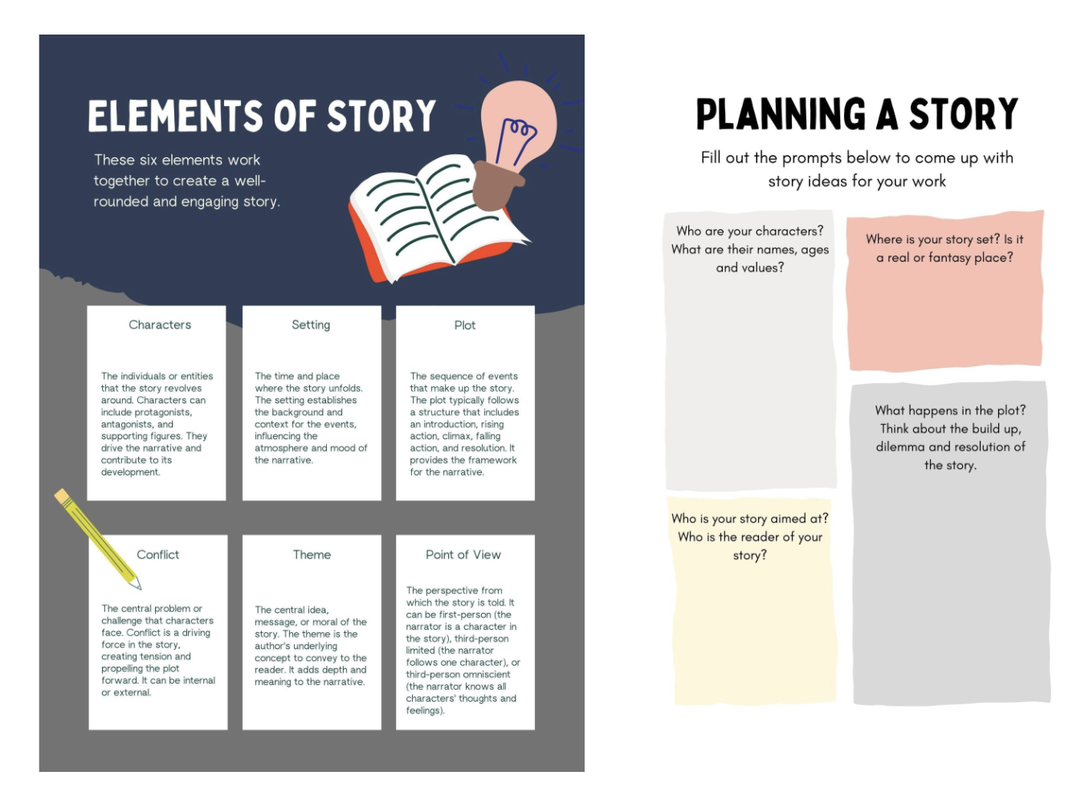
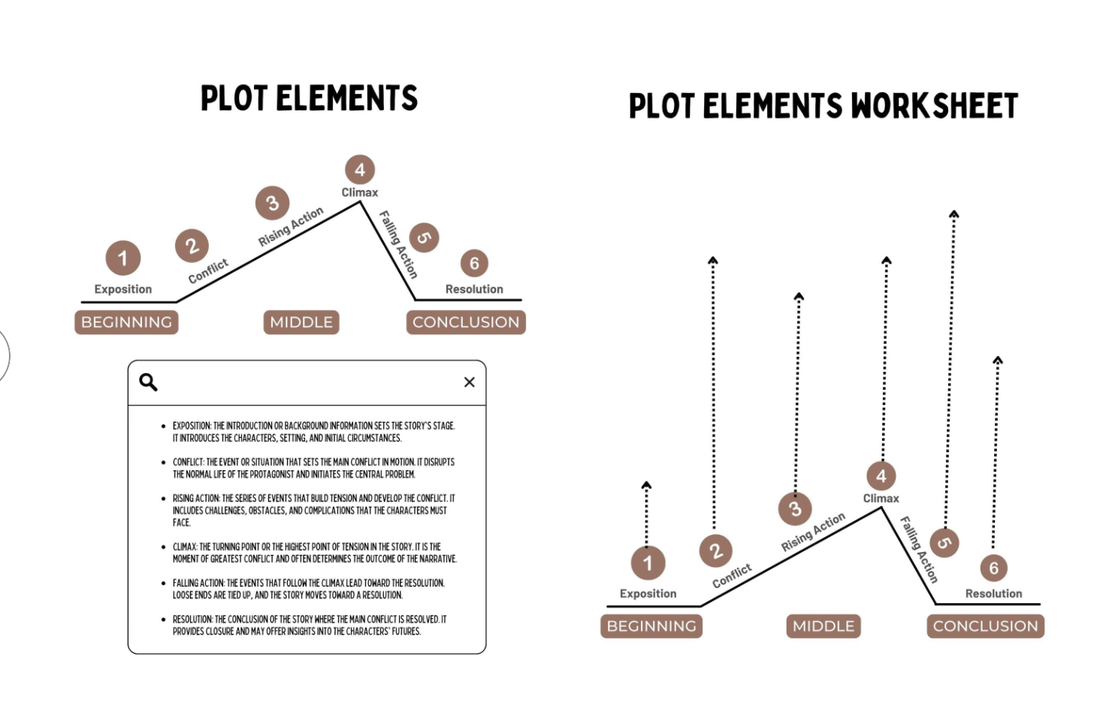
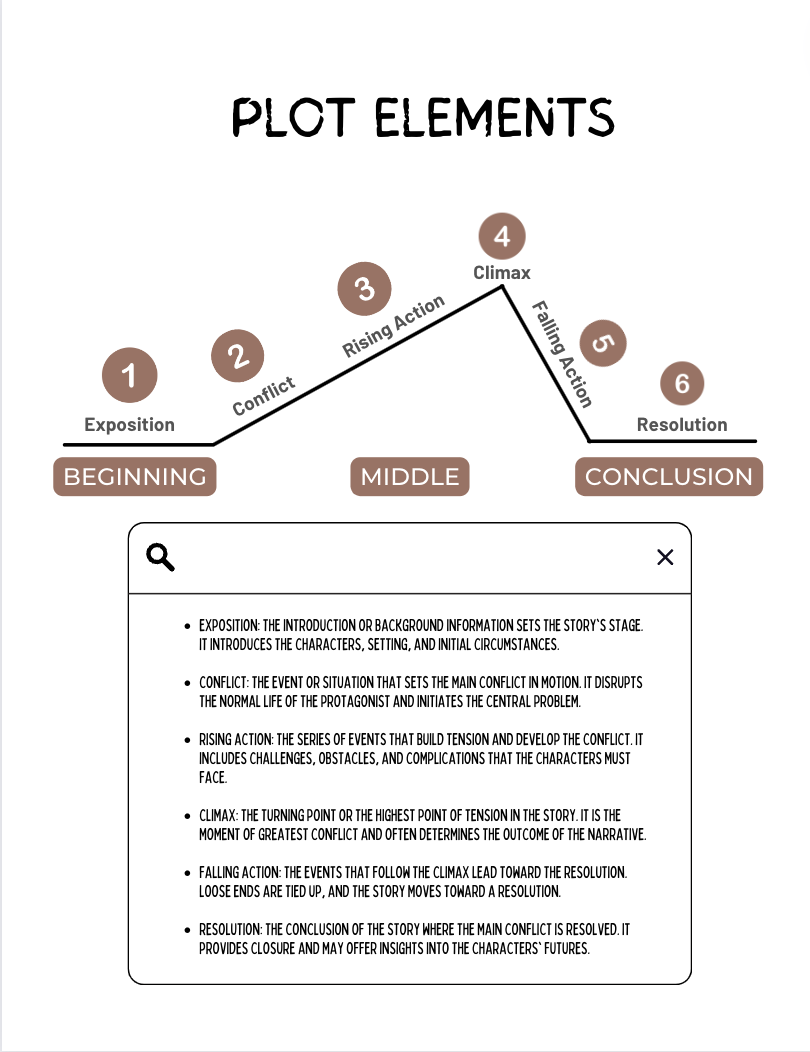
Story Elements Story elements are the essential components or building blocks that make up a narrative. These elements contribute to the structure and development of a story. The basic story elements include: 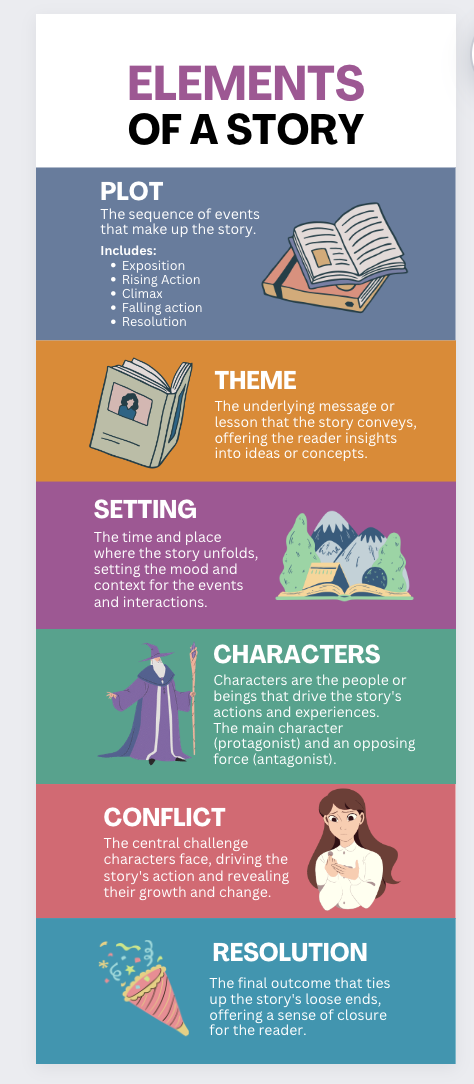 canva.com Plot: The sequence of events that make up the story. It typically includes an introduction, rising action, climax, falling action, and resolution. Plot elements are the key components that make up the sequence of events in a story. They provide the structure and development of the narrative. The main plot elements include:
 Characters: The individuals or entities that the story revolves around. Characters can be protagonists (main characters) or antagonists (characters in opposition to the protagonist). Setting: The time and place where the story unfolds. The setting helps create the atmosphere and context for the narrative. Conflict: The central problem or challenge that the characters face. Conflict is crucial for driving the plot and creating tension. Theme: The central idea, message, or moral of the story. It's the underlying concept that the author wants to convey to the reader. Point of View: The perspective from which the story is told. It can be first-person (narrator is a character in the story), third-person limited (narrator is external but follows one character), or third-person omniscient (narrator knows all characters' thoughts and feelings). Tone: The author's attitude toward the subject matter or the audience. Tone can be serious, humorous, suspenseful, etc. Style: The author's unique way of expressing ideas through word choice, sentence structure, and other literary devices. These elements work together to create a cohesive and engaging narrative. Different stories may emphasize certain elements more than others, depending on the genre, style, and purpose of the narrative. 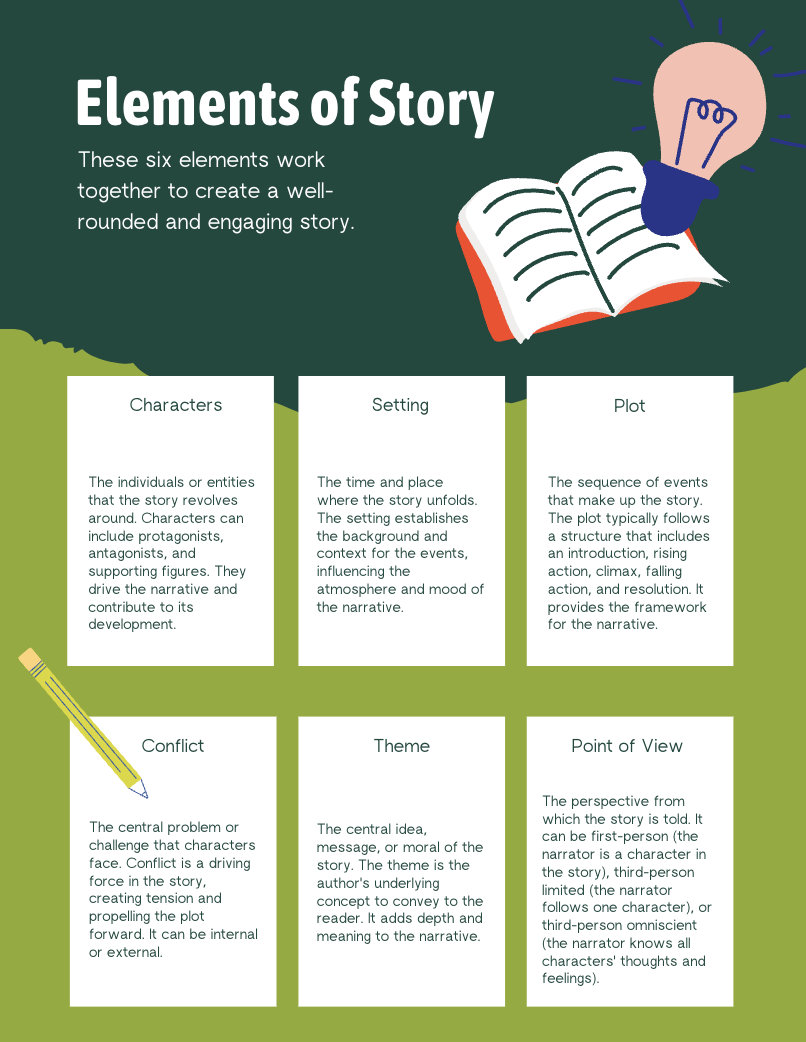 |
Myungja Anna KohArtist Categories
All
Archives
April 2024
|

|
Blog for visual thinkers and artists ... |
 RSS Feed